
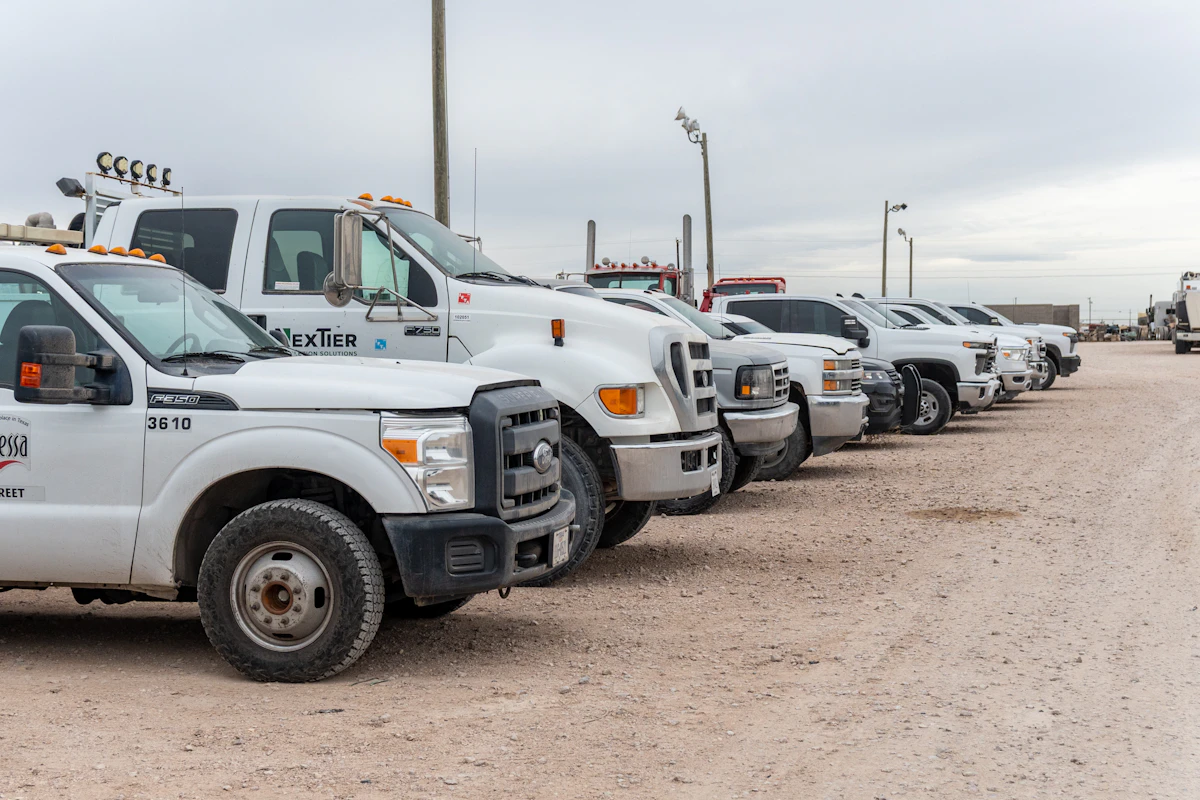
When one truck goes down, you're looking at more than just a steep repair bill. You risk losing your driver’s productive hours, delivery delays, shuffling equipment, and scrambling to make your customer commitments. And when it's more than one When several units develop problems at once, those headaches pile up fast.
That’s why a dedicated fleet repair team can make a meaningful difference. Instead of treating every repair as an isolated event, a dedicated team gets familiar with your trucks, operating conditions, maintenance history, and scheduling needs. The goal isn’t simply to fix breakdowns faster. It’s to build a maintenance strategy that helps prevent them in the first place.
For fleets operating in Edmonton and throughout Northern Alberta, where trucks may face demanding workloads and cold-weather conditions, that consistency can be particularly valuable.
What Does a Dedicated Fleet Repair Team Actually Do?
Think of a dedicated repair team as an ongoing maintenance resource, not someone you call only after a truck stops moving.
Your technicians can monitor fleet maintenance needs, perform inspections, track recurring problems, handle scheduled services, and identify developing issues before they become roadside failures. A structured program may cover engines, transmissions, brakes, suspension, electrical systems, cooling systems, aftertreatment components, and other critical areas.
Preventive maintenance is specifically intended to identify and correct potential problems before they turn into larger repairs or failures.
That shift from reactive repairs to planned maintenance is where much of the downtime advantage comes from.
Planned Maintenance Beats an Unexpected Breakdown
You can plan around a scheduled service. An unexpected breakdown calls the shots.
With a good preventive maintenance program, your fleet can schedule inspections and routine work around operating hours, routes, seasonal demands, and equipment availability. Our preventive maintenance schedules can be customized to a fleet's equipment and operating requirements, while maintenance software can track service dates, pending repairs, and repair histories.
Why is that important? Because your maintenance intervals aren't the whole story. Two trucks of the same model can wear very differently depending on idle time, load, terrain, operating hours, and duty cycle.
A dedicated team can look at the bigger picture rather than waiting for the odometer to tell the whole story.
Catching Small Problems Before They Park Your Truck
And honestly, a lot can happen between scheduled services.
A minor coolant leak can eventually contribute to overheating. Worn brake components can progress into a larger air brake repair. Low or degraded lubricant can accelerate wear inside a transmission or differential. A developing wheel-end problem can create excess friction and heat.
The key point is how interconnected these systems are. Engine coolant transfers heat to the radiator, transmission fluid or gear oil protects drivetrain components, and properly lubricated bearings help control friction at the wheel end.
Regular heavy-duty truck inspections gives our technicians opportunities to spot leaks, abnormal wear, damaged components, unusual noises, warning lights, and other early clues.
In other words, you would probably rather replace a deteriorating component during scheduled maintenance than discover the failure halfway through a loaded run.
Faster Diagnostics Can Shorten the Repair Process
Even strong maintenance programs can't eliminate every failure. Trucks work hard, components wear out, and unexpected problems happen.
When they do, familiarity can help.
The nice thing about a team that regularly services your vehicles is that we can refer to previous repairs and recurring symptoms instead of approaching every problem with zero history. Good records can also show what was recently replaced, which inspections were completed and which repairs were previously deferred.
That context supports more organized diesel diagnostics.
Modern heavy-duty trucks contain interconnected mechanical, electrical, emissions, and electronic systems. Finding the underlying fault, not merely responding to the most obvious symptom, is critical if you want to avoid repeat visits.
Fireweed lists diagnostics alongside fleet maintenance, general diesel repair, preventive maintenance, mobile repair, and CVIP inspections among its Edmonton-area services.
Mobile Fleet Service Can Eliminate the Trip to the Shop
Sometimes the fastest shop visit is the one your truck never has to make.
For appropriate maintenance and repairs, mobile truck repair lets technicians service equipment at your yard or another suitable location. That can eliminate the time required to move several trucks to and from a repair facility.
Scheduled mobile service from emergency roadside assistance and mobile service, can be practical for fleet preventive maintenance, inspections, and heavy-equipment repairs.
Our mobile fleet service is a way to perform preventive maintenance and necessary repairs while units are back at the fleet's yard.
For a busy operation, that flexibility can make fleet downtime reduction easier because you can potentially arrange service around periods when trucks would already be parked.
Maintenance Records Give You Better Information
Memory isn't a maintenance strategy.
Detailed fleet service records let you see patterns that can otherwise slip through the cracks. Maybe one truck repeatedly develops cooling-system trouble. Perhaps another is going through suspension components faster than comparable units. Maybe a particular repair keeps returning.
With a documented service history, you can make decisions based on actual maintenance information rather than guesswork.
Records can also help you plan upcoming work and organize inspection documentation. What's more is that our maintenance software lets us track previous service dates, pending repairs, and repair history, which can help with scheduling and CVIP documentation.
Over time, those records turn individual repair orders into useful fleet-management information.
Edmonton Conditions Make Preventive Planning Important
Edmonton fleets don't operate in a vacuum. Cold temperatures, demanding commercial applications, construction environments, long-distance routes, and seasonal changes can all affect equipment.
Your maintenance strategy should reflect how your vehicles actually work.
Cooling systems deserve attention because coolant must both transfer engine heat and withstand cold temperatures. Batteries and electrical systems also need to be dependable when temperatures drop. Meanwhile, brakes, suspension components, driveline parts, and fluids require inspection based on operating conditions and manufacturer requirements.
This is where commercial truck maintenance tailored to individual units becomes more useful than a one-size-fits-all checklist.
Even Edmonton's municipal fleet planning has explored centralized maintenance and specialized technician teams to improve operational uptime and service consistency.
How Do You Know Whether Your Fleet Needs More Maintenance Support?
Look at what happens when one of your trucks develops a problem.
Are you constantly rearranging schedules because units unexpectedly go down? Are the same problems appearing repeatedly? Do maintenance intervals get missed during busy periods? Are drivers discovering issues before your maintenance process does?
Those patterns can point toward opportunities for a more structured fleet repair service.
You don't necessarily need dozens of trucks to benefit. What matters is whether downtime is disrupting your operation and whether better scheduling, inspection, documentation, and repair coordination could improve availability.
Start by reviewing several months of repair orders. Identify repeat failures, emergency repairs, missed PM intervals, and the amount of operating time lost to unscheduled repairs. From there, you can build a maintenance plan around the problems actually affecting your fleet.
Keep More of Your Fleet Ready for Work
A dedicated fleet repair team can't guarantee that a truck will never break down. What it can provide is consistency.
Scheduled maintenance helps you control when trucks come out of service. Thorough inspections can expose developing problems. Service histories give technicians better context. Mobile maintenance may reduce unnecessary trips to the shop. Together, those advantages can help you spend less time reacting to problems and more time managing your fleet deliberately.
If downtime is disrupting your Edmonton operation, contact Fireweed Heavy Truck and Equipment Repair to discuss a maintenance and repair strategy built around your fleet's equipment, workload, and schedule.